About All Tours Jeep ToursSunrise Jeep ToursTrekking ToursSunrise ToursSunset ToursFrom Ubud ToursPrivate ToursHot Spring Tours Directions Hours & Fees
Find Tours 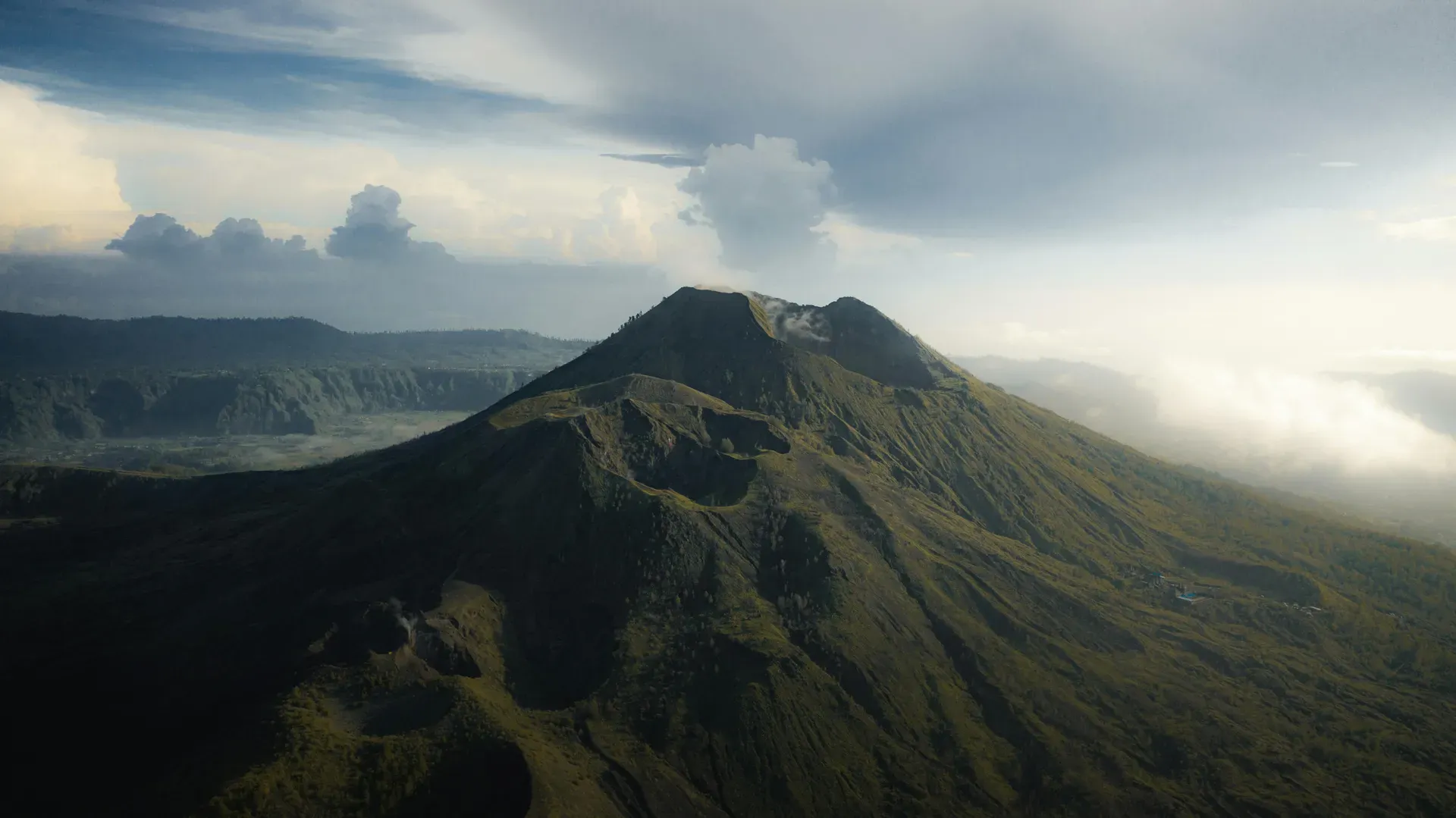
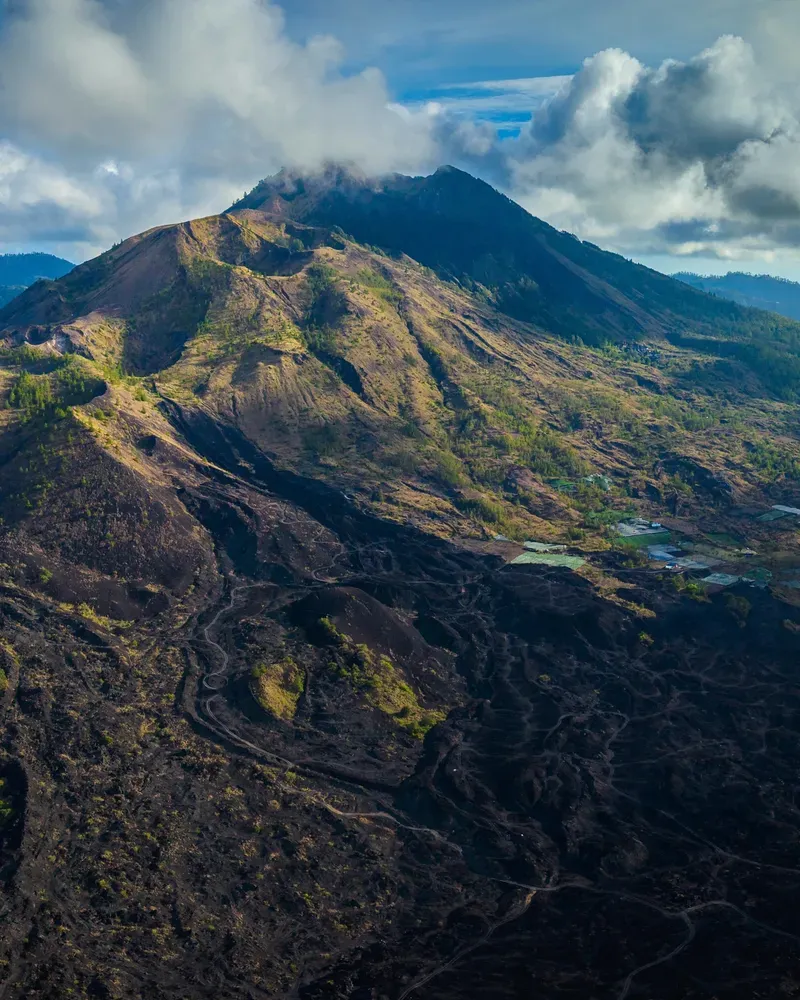
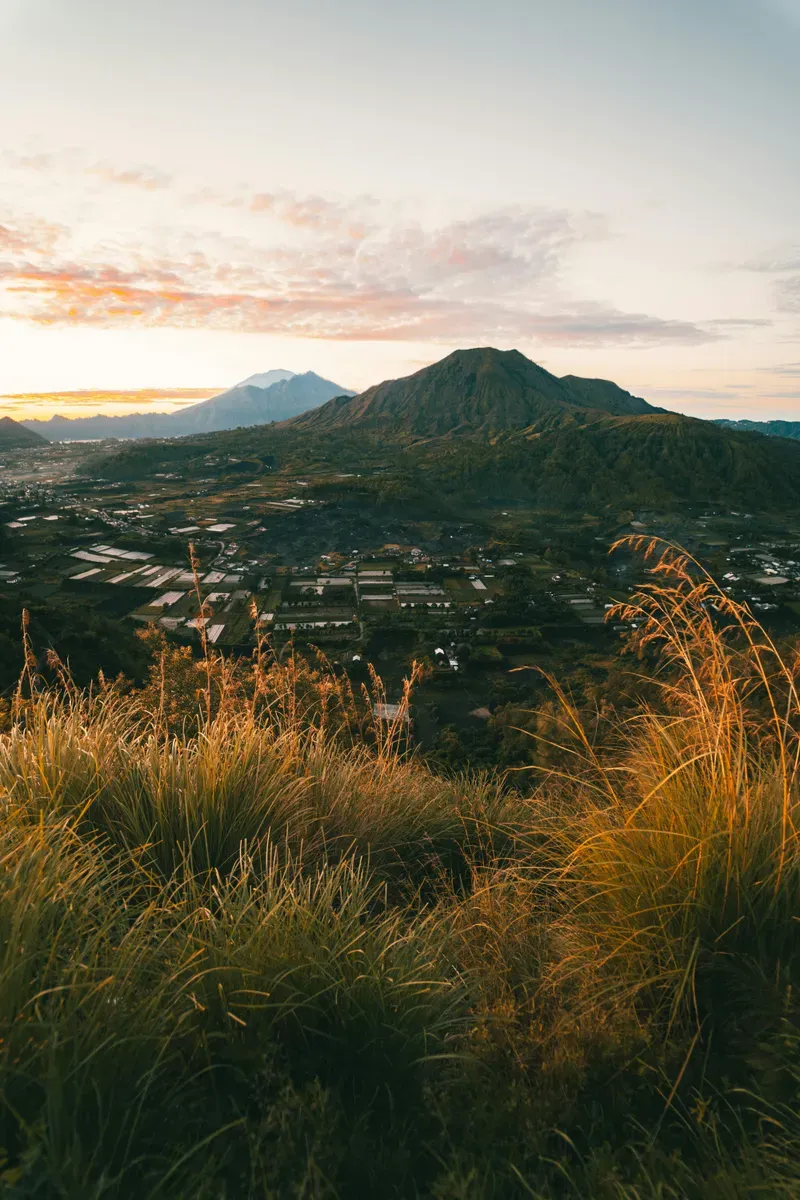
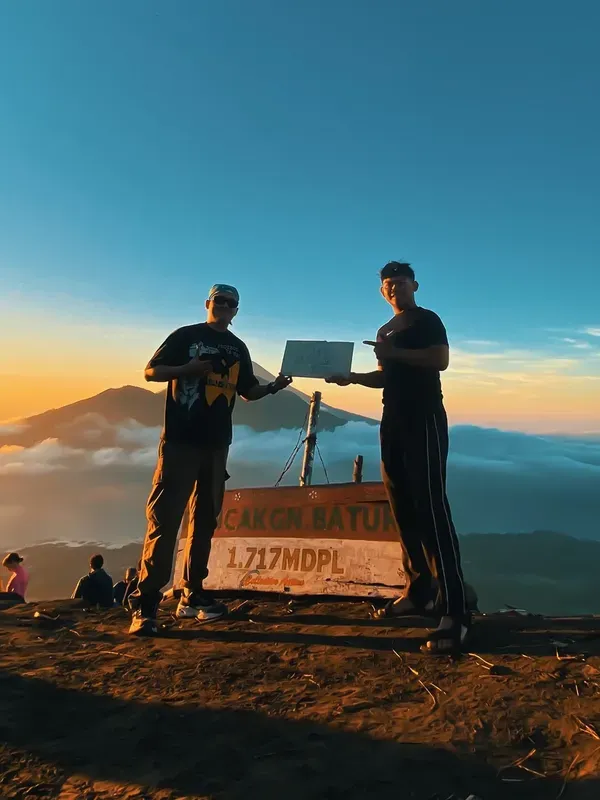
Rising 1,717 meters above sea level, this active stratovolcano stands inside a double-concentric caldera formed nearly 30,000 years ago. A pre-dawn, 11-kilometer round-trip hike to the summit reveals panoramic sunrise views over Lake Batur and neighboring Mount Agung.
Find Guided ToursMount Batur, or Gunung Batur, is an active stratovolcano located in the Kintamani District of northeastern Bali. The central cone reaches an elevation of 1,717 meters above sea level and sits within a massive double-concentric caldera system. Recognizing its geological importance and cultural heritage, the site was designated as part of the UNESCO Global Geoparks Network in 2012. It is considered one of Bali's most sacred mountains.
The volcano features a distinct nested structure resulting from ancient geological events. The outer caldera, measuring 13.8 by 10 kilometers, formed approximately 29,300 years ago. A secondary inner caldera spanning 6.4 by 9.4 kilometers was created roughly 20,150 years ago. The southeastern side of this crater floor holds the crescent-shaped Lake Batur. Spanning 16 square kilometers with a maximum depth of 88 meters, it is the largest crater lake on the island.
Mount Batur has a well-documented and highly active geological record, logging 26 eruptions since its first recorded event in 1804. A catastrophic eruption in 1917 caused massive devastation across the region, destroying 65,000 houses and leveling 2,500 temples. The volcano remains active today, with its most recent significant ash eruption occurring in the year 2000.
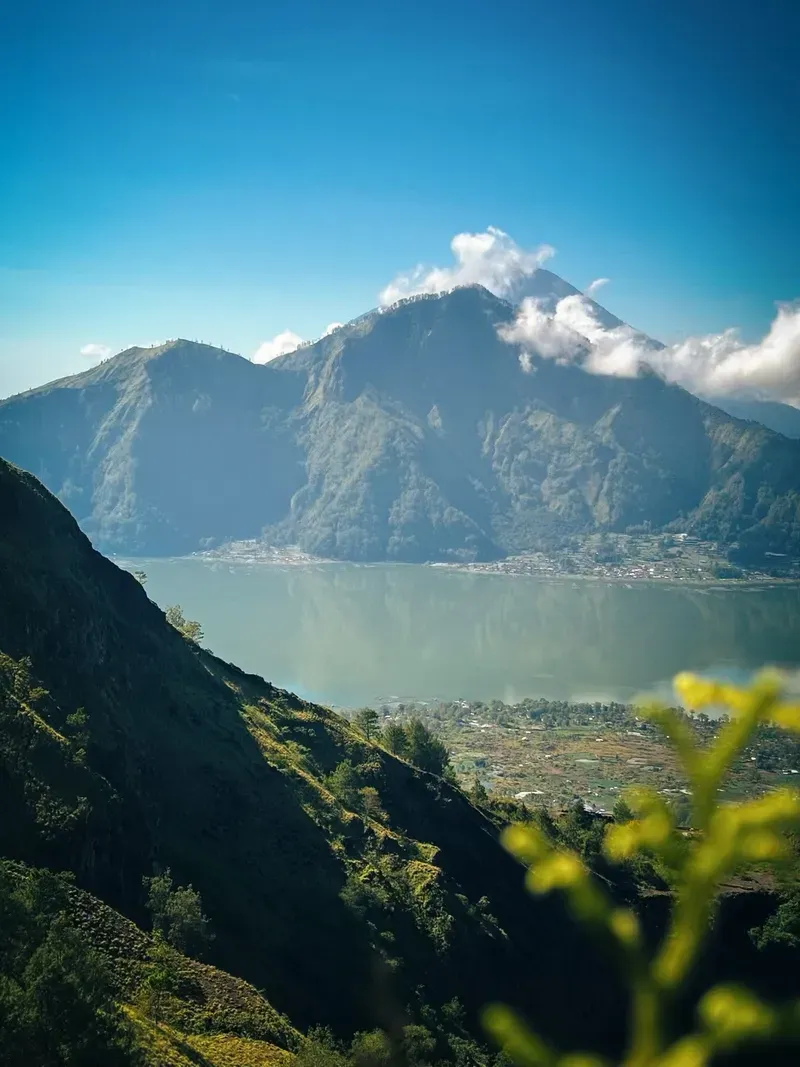
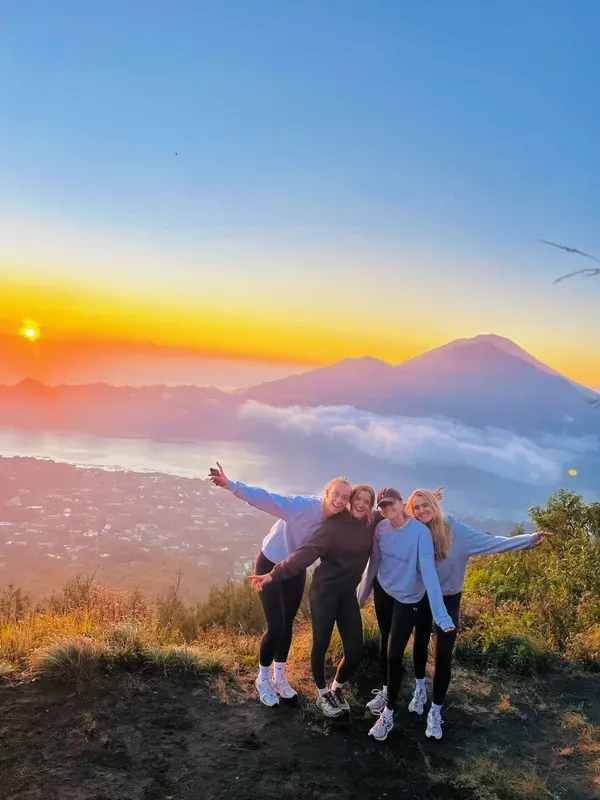
Today, the mountain draws roughly 200,000 annual visitors primarily as a premier sunrise trekking destination. Hikers navigate an 11-kilometer round-trip path to the summit. From the top, the peak provides clear panoramic views of the surrounding highlands, neighboring Mount Agung, and Mount Rinjani on the island of Lombok.
Discover the full history and cultural significance on our About page.
Hikers ascend to the 1,717-meter peak to watch the sun rise over the clouds. The summit provides clear sightlines toward Mount Agung and Mount Rinjani in neighboring Lombok. Temperatures hover between 10°C and 15°C before dawn, making layered clothing essential for the two-hour climb.
The volcano remains active, with its last major eruption recorded in 2000. Near the crater rim, natural geothermal steam vents release continuous heat. Local guides use these active vents to boil eggs and cook bananas, providing a warm meal at the summit after the morning ascent.
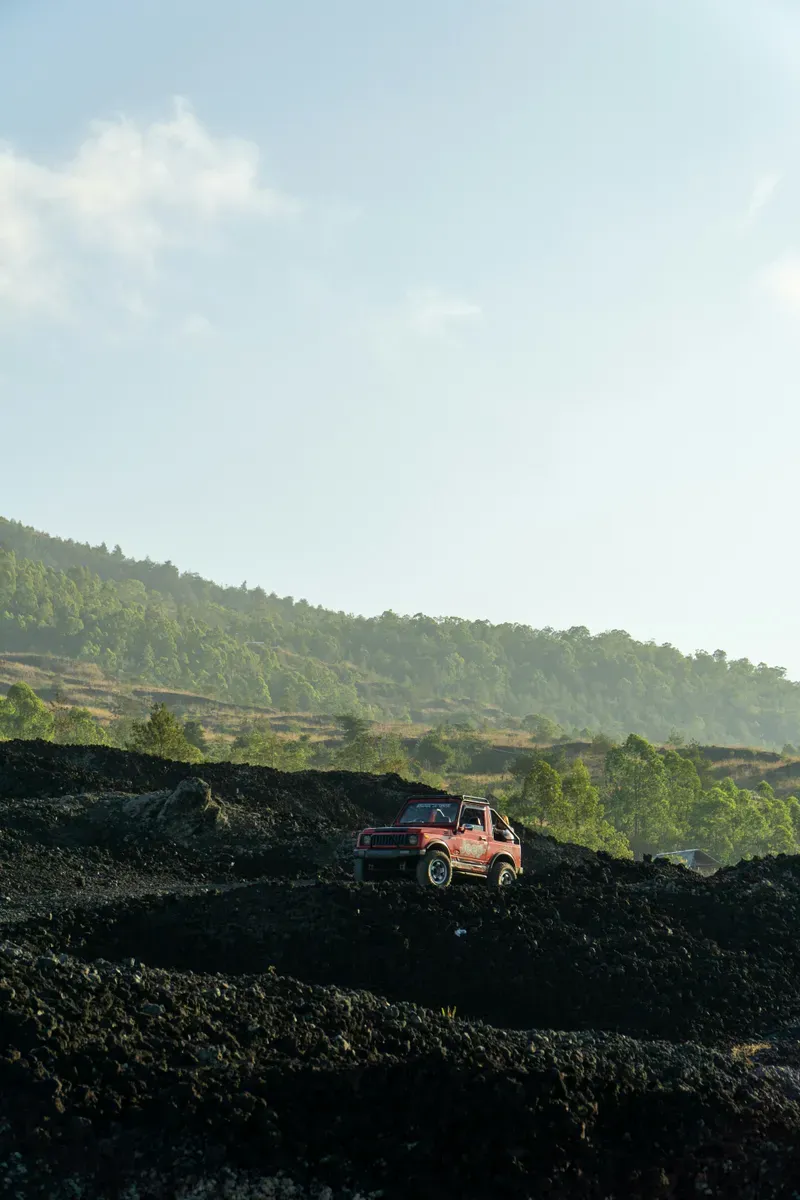
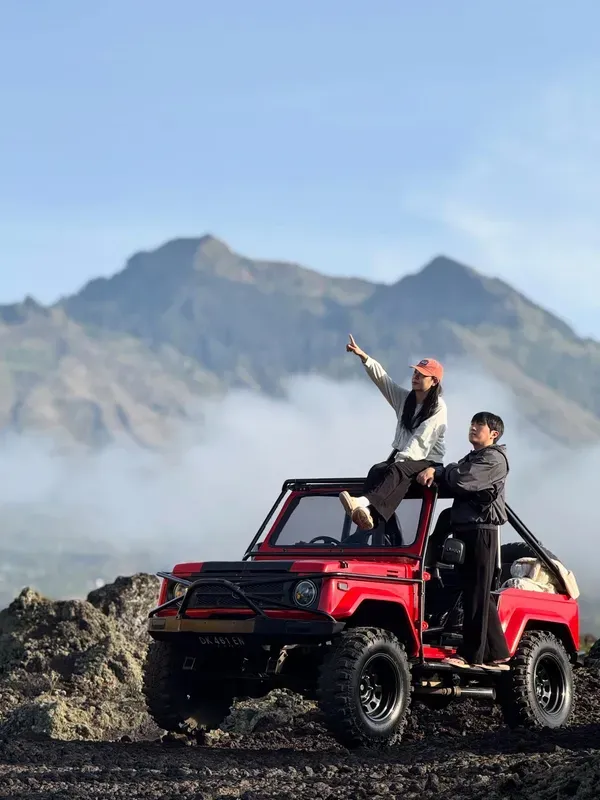
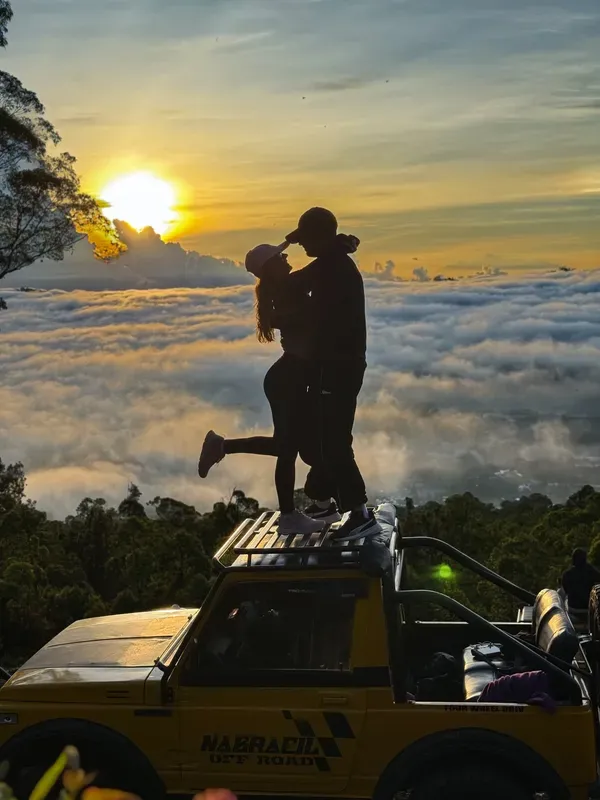
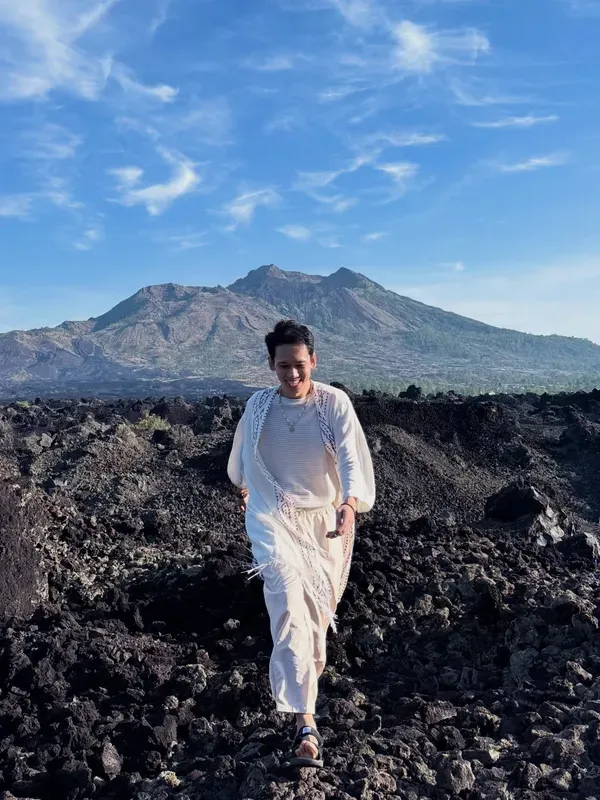
For a non-strenuous alternative to the steep hike, 4WD vehicles navigate rugged terrain to reach early morning viewpoints. These off-road routes also cross vast fields of solidified black lava at the base, remnants of the significant eruptions that occurred in 1963 and 1974.
After descending the rocky paths, visitors can soak in lakeside geothermal pools like Toya Devasya. These natural hot springs sit right on the edge of Lake Batur. Spanning 16 square kilometers with a depth of 88 meters, it is the largest crater lake on the island.
Hand-picked tours with free cancellation and verified reviews
 Free Cancellation
  Free Cancellation
  Free Cancellation 8h
  Free Cancellation 8h
  Free Cancellation 8h
  Free Cancellation
  Free Cancellation 8h
  Free Cancellation
 The optimal time to visit Mount Batur is during the dry season from April to October. These months provide clear skies for sunrise viewing and safer conditions on the rocky volcanic trails.
March concludes the rainy season with lingering cloud cover and slippery trails. April and May usher in the dry season, providing clearer skies and safer trekking conditions.
Falling entirely within the dry season, these months offer the most reliable conditions. Hikers will find clear skies for sunrise and dry, stable paths, though pre-dawn summit temperatures remain around 10°C to 15°C.
September and October maintain excellent dry season conditions with clear summit views. November marks the transition into the rainy season, increasing the likelihood of obscured views and slippery volcanic ash.
This period sits firmly in the rainy season. Frequent cloud cover obscures the sunrise views, and precipitation turns the volcanic gravel and ash paths into highly slippery, hazardous terrain.
Mount Batur is accessible 24 hours a day, 7 days a week. The majority of hikers start their ascent between 02:00 and 04:00 to reach the summit for sunrise.
| Category | Price |
|---|---|
| General Admission | 100,000 IDR |
The entrance fee includes the required trekking permit. The local trekking association (HPPGB) mandates that all hikers hire a local guide. Private guides cost between 300,000 IDR and 600,000 IDR per group. Bring extra cash for the entrance fee, guide tips (50,000 to 100,000 IDR is standard), and summit amenities.
For complete schedules and ticket prices, visit our Hours & Fees page.
Visitors typically reach the volcano by road from major tourist hubs like Ubud, Kuta, or Canggu. Travel times range from 1.5 to 3 hours depending on the starting point, with departures usually scheduled in the early morning hours for sunrise hikes.
📍 Kintamani District, Northeastern Bali, Indonesia
Hiring a private driver from Ubud is the most common method for reaching the mountain. The route covers a distance of 39 kilometers. You can expect the drive to take approximately 1.5 hours. The standard rate is around 400,000 IDR. This price typically covers a round-trip service and includes the driver's waiting time while you complete the hike.
Traveling from Kuta or Seminyak requires a longer drive covering roughly 70 kilometers. Visitors planning to participate in the popular sunrise treks must schedule a very early departure, usually around 01:30. The drive takes between 2.5 and 3 hours to reach the base. Booking a private car for this route generally costs 700,000 IDR.
Riding a scooter from Canggu is the cheapest transportation option at 100,000 IDR. The 68-kilometer route takes about 2.5 hours to complete. However, this method carries significant risks for riders. The mountain roads are winding and very dark during the early morning hours. Riders also face extremely cold air temperatures before the sun comes up.
Booking a shared group tour from major tourist hubs provides a comprehensive package for the excursion. The total duration of these tours spans 8 to 10 hours, with distances varying by pickup location. At a cost of 500,000 IDR, this all-inclusive option is highly convenient. The price typically covers round-trip transport, a mandatory local guide, the 100,000 IDR entrance fee, and breakfast.
For detailed transport options and routes, visit our Directions page.
Temperatures at the 1,717-meter summit drop to between 10°C and 15°C before sunrise. Start your hike with a moisture-wicking base layer. Add a warm jacket once you reach the top. You will sweat heavily during the two-hour ascent but cool down rapidly while waiting for the sun.
The mountain's terrain consists of steep, rocky paths and loose volcanic sand. This gravel acts like marbles, making the descent highly slippery. Many injuries happen on the way down rather than during the climb. Sturdy, closed-toe shoes with strong traction are an absolute requirement.
Sunrise treks typically begin between 02:00 and 04:00 in complete darkness. Local guides usually provide standard handheld flashlights for the hike. However, a personal headlamp is much safer. It keeps your hands completely free to navigate the steep and rocky sections of the trail.
Long-tailed macaques frequently gather near the summit crater looking for food. These monkeys can be highly aggressive toward hikers. Never attempt to feed them. Keep a close watch on your belongings, as they are known to snatch bags and cameras from distracted visitors.
Bring at least 1.5 liters of water per person to stay hydrated. Drink prices at the summit are significantly marked up by vendors. You will also need physical cash for the 100,000 IDR entrance fee. Standard tips for your mandatory local guide range from 50,000 to 100,000 IDR.
The steep, sandy terrain is not wheelchair accessible and can be moderately difficult for elderly visitors or children under six. A rugged 4WD Jeep tour provides a non-strenuous option. These off-road vehicles drive directly to the sunrise viewpoints. This allows you to skip the physical climb entirely.
Pura Ulun Danu Batur stands as one of Bali's nine directional temples. Dedicated to the goddess of the lake, it holds deep religious importance. Visitors can observe traditional Balinese architecture.
This facility features educational exhibits detailing the volcano's history and structural formation. It explains the complex geology behind the 2012 UNESCO Global Geopark designation. The displays provide excellent geological context.
Trunyan is an ancient Bali Aga settlement known for its unique open-air burial customs. Instead of traditional cremation, the deceased are placed above ground. It provides a rare anthropological perspective.
Read what travelers share about their experience visiting Mount Batur — from practical tips to personal highlights.
Yes, hiring a local guide is mandatory under the local trekking association rules for safety. A private guide typically costs between 300,000 IDR and 600,000 IDR per group, while the mountain entrance fee is an additional 100,000 IDR.
The average visit duration is 4 to 5 hours, with the ascent taking approximately 2 hours on a rocky path. Sunrise treks usually begin between 02:00 and 04:00 to reach the 1,717-meter summit before dawn.
The most common method is hiring a private driver, which costs around 400,000 IDR for the 39-kilometer, 1.5-hour trip from Ubud. From Kuta or Seminyak, the 70-kilometer drive takes 2.5 to 3 hours and costs roughly 700,000 IDR, requiring a departure around 01:30 for sunrise hikes.
You need sturdy closed-toe shoes and layered clothing, as pre-dawn temperatures at the summit drop to between 10°C and 15°C. Bring a hands-free headlamp, at least 1.5 liters of water, and extra cash for summit drinks and a standard 50,000 to 100,000 IDR guide tip.
The steep, rocky, and sandy terrain makes the hike moderately difficult, but children aged 6 and older with good stamina can complete it. For elderly visitors or younger children, booking a 4WD Jeep tour is highly recommended as a non-strenuous alternative to reach the sunrise viewpoints.
The dry season from April to October is the best time to visit because it provides clear skies for sunrise viewing and safer trail conditions. Avoid the rainy season from November to March, as frequent cloud cover obscures views and turns the volcanic ash paths slippery.
There are basic toilet facilities at the starting points and occasionally a small hut halfway up the trail. However, there are no toilets available at the actual summit.
No, you should not feed the long-tailed macaques found near the summit crater. They can be aggressive and are known to snatch bags and cameras from hikers in search of food.
Browse verified tours with free cancellation and instant confirmation.
Find Tours