
About All ToursJeep ToursSunrise Jeep ToursTrekking ToursSunrise ToursSunset ToursFrom Ubud ToursPrivate ToursHot Spring Tours Directions Hours & Fees
Find Tours 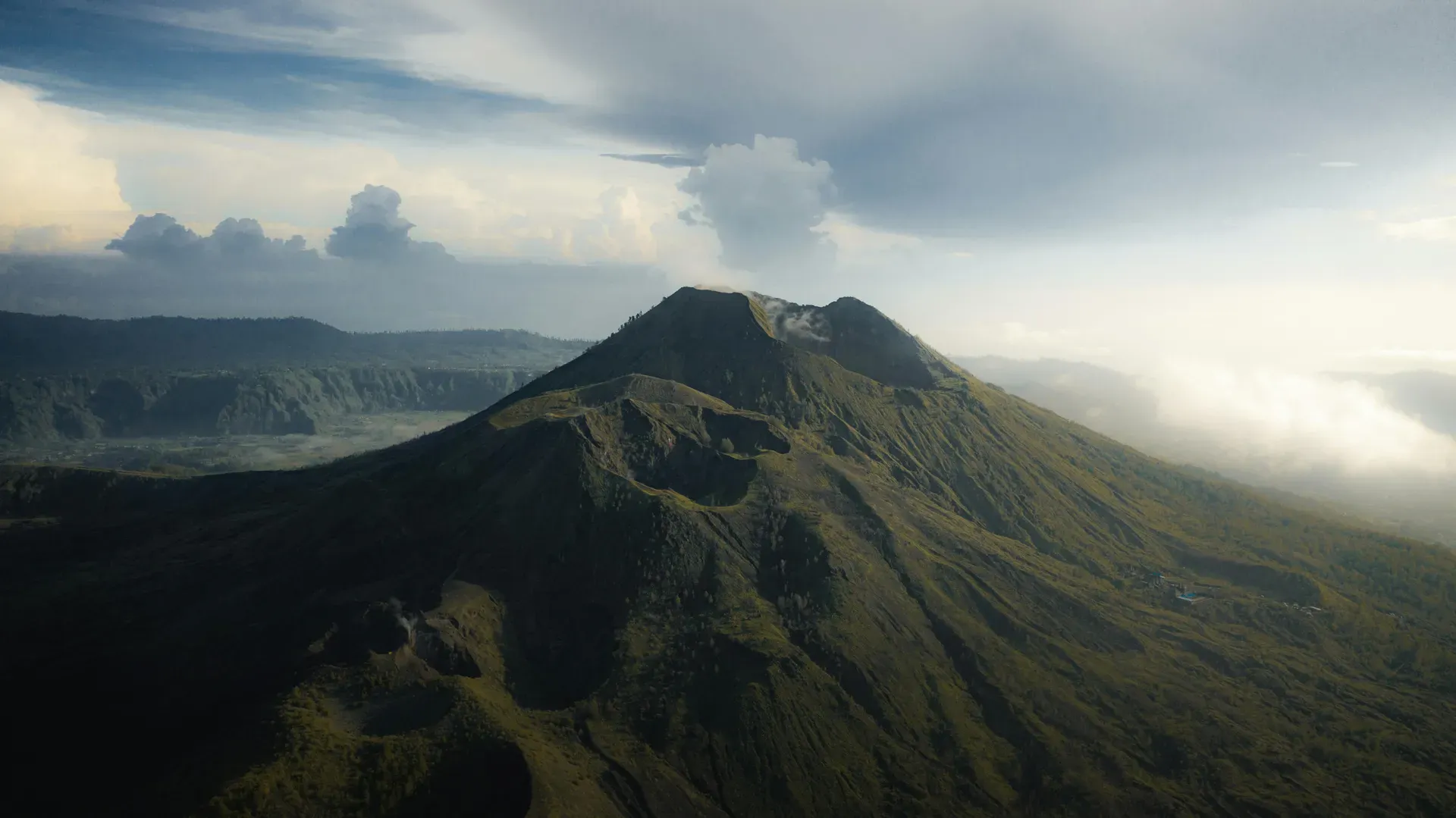
A Mount Batur trekking permit costs 100,000 IDR, but mandatory local guides add 300,000 to 600,000 IDR per group. The volcano is open 24/7, with the main wave of hikers starting the 11-kilometer round trip between 02:00 and 04:00.
Mount Batur is open 24 hours a day, 7 days a week. Most hikers begin their ascent between 02:00 and 04:00 to reach the 1,717-meter summit before sunrise. Trails remain accessible year-round, though heavy rains between November and March create slippery volcanic ash conditions that complicate the 2-hour climb.
| Day | Hours | Note |
|---|---|---|
| Monday–Sunday | 24 Hours | Sunrise treks depart 02:00–04:00; sunset treks are also available |
The mountain operates 365 days a year with no official holiday closures. Severe weather during the November to March rainy season acts as a seasonal deterrent, frequently obscuring summit views with heavy cloud cover. Rain turns the steep volcanic ash paths into slippery hazards, which can delay or halt guided ascents.
The base entrance fee costs 100,000 IDR and includes the mandatory trekking permit. The local trekking association requires all hikers to hire a guide, adding 300,000 to 600,000 IDR per group to the total cost. Shared all-inclusive tours average 500,000 IDR per person.
No regular free entry days.
Planning your visit to Mount Batur? Find tours with free cancellation and skip-the-line options.
View All ToursApril through October provides the safest trails and clearest skies for climbing Mount Batur. The dry season prevents the steep volcanic ash paths from turning into slippery hazards. Sunrise treks draw massive crowds to the crater rim daily, while sunset climbs leave the trail nearly empty but require a dark descent.
Expect to spend 4 to 5 hours on Mount Batur for a standard sunrise trek. The 11-kilometer round trip requires two hours of ascending the rocky path, followed by summit time waiting for the sun to clear the clouds. Opting for a 4WD Jeep tour cuts the physical climb, while soaking in the lakeside geothermal pools afterward extends the morning.
Schedule your trek between April and October for clear skies and dry trails. Rain from November to March turns the volcanic ash paths into slippery mud and brings heavy cloud cover. Summit views disappear entirely during these wet months.
Summit temperatures drop to 10°C before sunrise. Start with a moisture-wicking base layer and pack a warm jacket to survive the freezing wait at the top. A hands-free headlamp leaves your arms available to balance on the rocky sections.
Pay the 100,000 IDR entrance fee and hire mandatory local guides directly at the base. Pack an extra 50,000 to 100,000 IDR to tip your guide. Summit vendors charge heavy markups for drinks, so bring at least 1.5 liters of your own water.
Volcanic gravel acts like marbles beneath your feet on the way down. Most injuries happen during this steep descent rather than the uphill climb. Wear running shoes with deep treads to grip the shifting sand and ash.
Skip the 02:00 sunrise rush entirely by hiking in the late afternoon. Sunset treks offer empty trails and clear views without the massive crowds. You will need a strong headlamp to navigate the dark descent.
Expect to pay 100,000 IDR for the entrance fee, which covers your trekking permit. You must also hire a mandatory local guide at the base, costing 300,000 to 600,000 IDR per group. Bring extra cash to tip your guide the standard 50,000 to 100,000 IDR.
Mount Batur remains open 24/7, but most hikers start ascending between 02:00 and 04:00. Drivers coming from Kuta or Seminyak should depart by 01:30 to cover the 70-kilometer distance. Sunset hikes are an alternative that avoids heavy morning crowds, though you will descend in the dark.
No. The local trekking association requires all hikers to hire a guide for safety. Book through official operators at the base to avoid overpaying fake guides.
The 11-kilometer round trip takes four to five hours total. Ascending the rocky, well-trodden path requires about two hours. Volcanic gravel acts like marbles on the way down, causing many hikers to slip and fall during the descent.
Layer a warm jacket over a moisture-wicking base. Summit temperatures drop to 10°C before dawn, leaving you cold while waiting for the sun after sweating on the climb. Wear closed-toe running shoes with heavy grip to handle the loose volcanic sand.
April through October provides dry trails and clear skies for sunrise viewing. Rain from November to March turns the volcanic ash paths slippery and brings thick cloud cover that blocks visibility.
You will find basic toilets at the trailheads and occasionally a small hut halfway up, but none exist at the 1,717-meter summit. Carry at least 1.5 liters of water per person. Vendors at the crater rim heavily mark up the prices for drinks.
Browse verified tours with free cancellation and instant confirmation.
Find Tours